Why the Same Tea Tastes Different From a Different Shaped Cup
Quick Answer: The cup changes three things: heat retention (a thick mug holds the tea hotter for longer, and temperature strongly affects perceived bitterness and sweetness), aroma concentration (a narrower rim funnels volatiles toward your nose, and most of what you call taste is smell), and flow rate (rim thickness and shape determine how fast liquid enters your mouth and where it spreads). Same tea, genuinely different experience.
Thin porcelain: bright, aromatic.
Thick mug: flat, heavy.
Same leaves, same water, same time. The vessel did that.
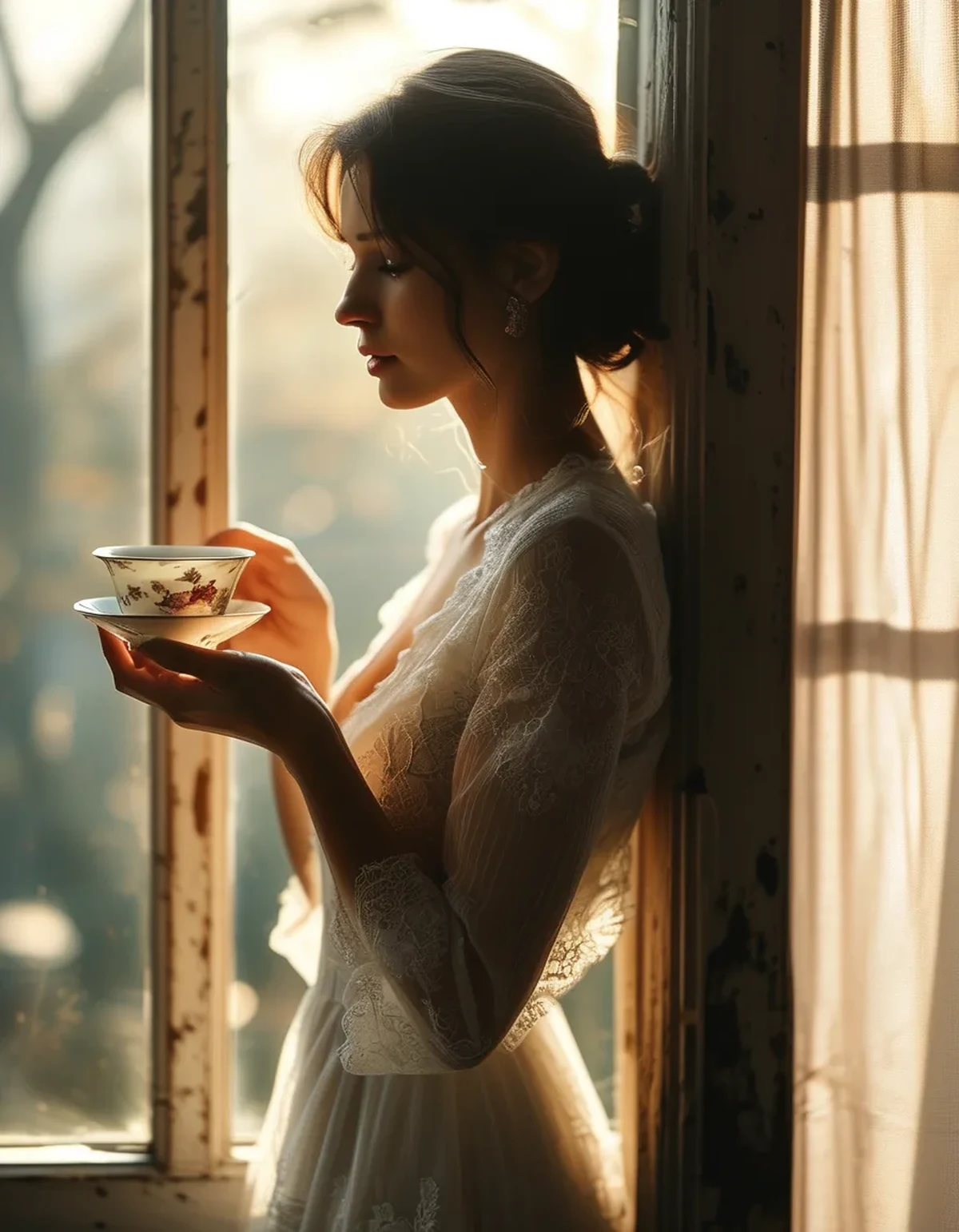
How does the cup actually change the taste?
Six mechanisms, and only one of them is about the tea.
Wall thickness controls temperature. A thick stoneware mug has far more thermal mass and holds heat much longer than thin porcelain. Since perceived bitterness rises with temperature while sweetness and aroma peak in a mid-range, the same tea tastes more astringent from a mug that keeps it near-boiling.
Rim width directs the flow. A narrow rim delivers a thin stream toward the front of the tongue; a wide rim floods the whole mouth at once. Where liquid lands and how much arrives changes what you register first.
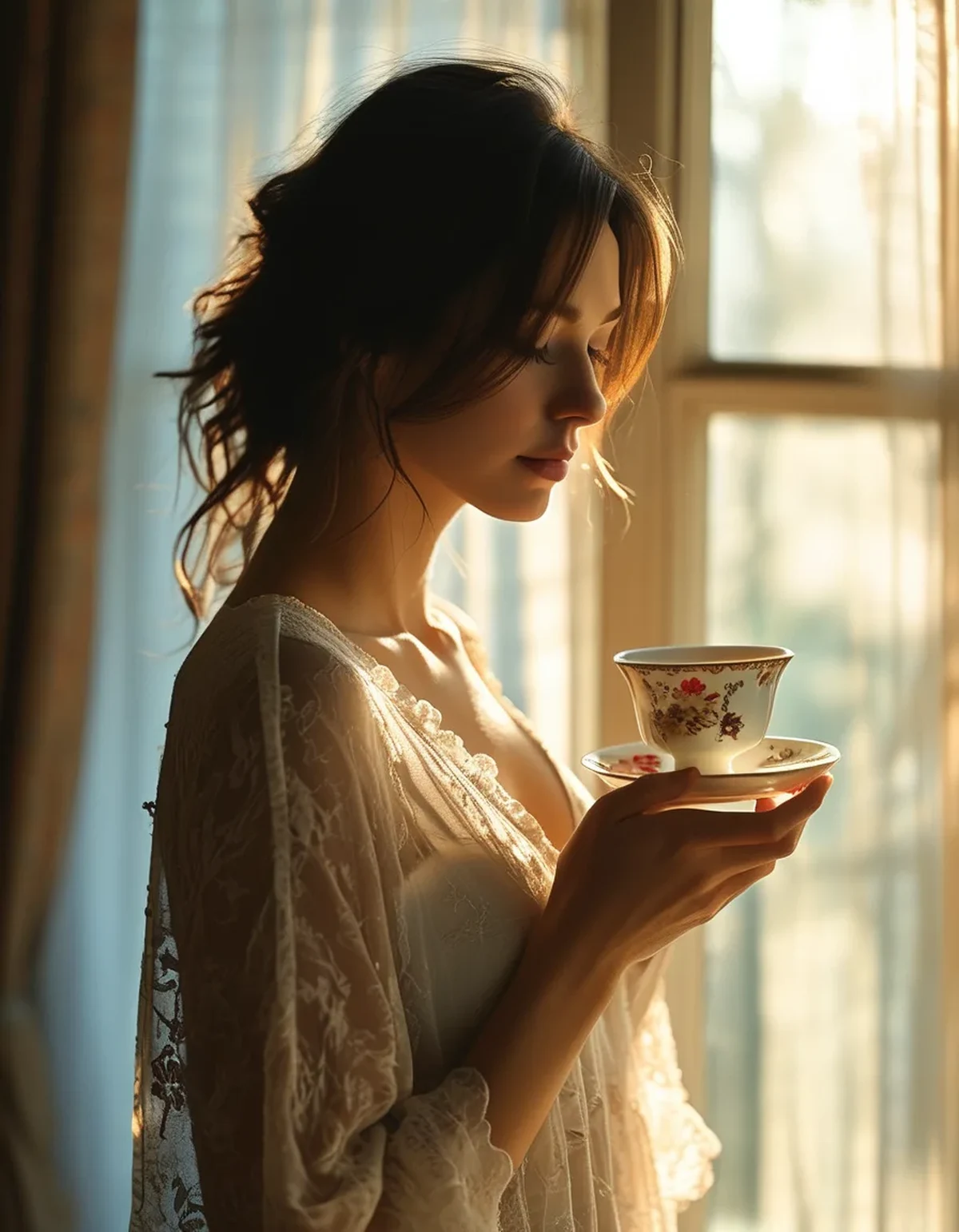
Rim shape concentrates or disperses aroma. A cup that narrows toward the top gathers volatile aroma compounds and funnels them to your nose as you drink. A wide, open bowl lets them escape. Since most flavour perception is retronasal smell, this is a bigger effect than most people expect.
Surface area governs cooling rate. A wide, shallow cup cools rapidly, moving the tea through its flavour range quickly. A tall, narrow cup holds temperature and stays in one part of that range for longer.
Colour and material affect expectation. The appearance of the liquid against a white interior versus a dark one genuinely changes how strong people judge a tea to be. Expectation is a real component of perception, not a failure of it.
And weight and feel matter. Heavier vessels are consistently associated with judgements of richer, more substantial flavour. It sounds absurd and it replicates.
What should you match to what?
Six pairings that follow from the mechanisms above.
Delicate green and white teas: thin, narrow, small. These teas are aroma-forward and turn bitter when held hot. Thin porcelain cools them quickly and a narrower rim concentrates the aroma. Small volumes so the tea is drunk before it goes cold and flat.
Robust black teas: thicker walls, wider mouth. These stand up to heat and benefit from staying warm, particularly with milk, which drops the temperature immediately.
Oolong: narrow and tall. Oolong’s aroma is its main event, and a tall narrow cup preserves and funnels it. This is exactly why traditional tasting sets include a separate tall aroma cup.
Herbal infusions: wide and open. Most are drunk for warmth and comfort rather than aroma complexity, and a wider vessel is more pleasant to hold and drink from.
Iced tea: tall glass, and expect to need it stronger. Cold suppresses aroma volatility and sweetness perception considerably, which is why iced tea brewed at normal strength tastes weak. Brew roughly 1.5 times stronger if you are pouring over ice.
Travel mugs: accept the trade. A sealed insulated mug preserves heat brilliantly and blocks aroma almost entirely, which is most of why tea tastes flat from one. Drinking with the lid off for the first minute recovers a surprising amount.
Seasonal note: as the weather cools, the thermal mass point flips in importance. In August a thin cup that cools quickly is ideal; by late October a preheated thicker mug keeps a tea drinkable to the last mouthful. Preheating the vessel matters far more in a cold room — a cold cup can drop your brewing water by several degrees immediately.
What matters more than the cup?
Six brewing variables that outrank vessel choice, worth getting right first.
Water temperature by tea type. Green tea around 70-80C, white around 80C, oolong 85-95C, black and herbal at full boil. Brewing green tea with boiling water is the single most common cause of bitterness, and no cup rescues it.
Steeping time, measured rather than guessed. Green 1-3 minutes, black 3-5, herbal 5-10. Bitterness rises steeply past the recommended window because tannins extract more slowly than the aromatic compounds and then keep going.
Leaf quantity. Roughly 2-3g per 200ml. Under-leafing and over-steeping to compensate produces a bitter, thin cup — the wrong lever entirely. Use more leaf and less time.
Water quality. Hard water mutes delicate teas noticeably and can produce a surface film. Filtered water makes a bigger difference to green and white teas than almost any equipment upgrade.
Leaf room. Leaves need space to unfurl. A cramped tea ball extracts unevenly, which is why the same tea tastes better loose in a pot than stuffed into an infuser.
Freshness and storage. Tea degrades with light, heat, air and moisture. An airtight opaque container away from the hob preserves it far better than the pretty glass jar on the windowsill, and green tea deteriorates fastest of all.
Myth vs Fact: Tea and Teaware
Myth: the cup is just presentation. Fact: it changes temperature curve, aroma delivery and flow rate, all of which alter perception measurably. It is not the biggest variable, and it is a real one.
Myth: boiling water is right for all tea. Fact: it is right for black and herbal. Green and white tea brewed at boiling extract harsh tannins and lose their delicate aromatics.
Myth: a stronger tea needs longer steeping. Fact: longer steeping extracts more bitterness, not more flavour. Use more leaf and keep the time the same.
Myth: the second steep is always weaker. Fact: for oolong and many green teas the second steep is frequently better, because the leaves have opened and the harsher surface compounds have already gone.
Myth: tea bags are simply lower quality. Fact: the main issue is space. Fine particles in a cramped bag extract quickly and unevenly. Roomy pyramid bags with whole leaf perform much closer to loose tea.
Myth: an insulated travel mug keeps tea tasting good. Fact: it keeps tea hot and removes almost all aroma. Since most flavour is smell, that is why it tastes flat. Take the lid off for the first minute.
FAQ: Tea and Cup Questions, Answered
Does the cup really change the taste?
Yes — through heat retention, aroma concentration at the rim, and how the liquid enters your mouth. The tea is unchanged; your perception of it is not.
What cup suits green tea?
Thin, small, slightly narrowed at the rim. It cools quickly, which keeps bitterness down, and concentrates the aroma.
Why does tea taste flat in a travel mug?
The sealed lid blocks aroma, and most flavour perception is smell. Drink with the lid off for the first minute.
What temperature should I brew at?
Green 70-80C, white 80C, oolong 85-95C, black and herbal at full boil.
How do I make tea stronger without bitterness?
More leaf, same time. Longer steeping extracts tannins, not flavour.
Why does my iced tea taste weak?
Cold suppresses aroma and sweetness perception. Brew about 1.5 times stronger if pouring over ice.
Should I preheat the cup?
In a cold room, definitely. A cold vessel can pull several degrees off your brewing water instantly, which matters most for teas brewed below boiling.
TL;DR:
- The cup changes heat retention, aroma concentration and flow — all three shift perceived flavour.
- Thin and narrow for green, white and oolong; thicker and wider for black tea and herbals.
- Sealed travel mugs block aroma, which is why tea tastes flat from them.
- Brew green at 70-80C, and make tea stronger with more leaf, not more time.
- Preheat the cup in a cold room — it can cost you several degrees instantly.
Brew one pot and pour it into two different cups side by side. Five minutes, and you will never argue about this again.
Keep Reading
This article is for general informational purposes only and is not medical advice. Always consult a qualified health professional for guidance specific to you.