Why Oversteeping Causes More Tea Bitterness Than Water That's Slightly Too Hot
A cup of tea that tastes bitter gets blamed most often on water that was too hot, and the more reliable culprit is usually how long the leaves sat in that water, since bitterness in tea comes overwhelmingly from tannins that build up gradually the longer steeping continues, not from a single degree of water temperature at the start.

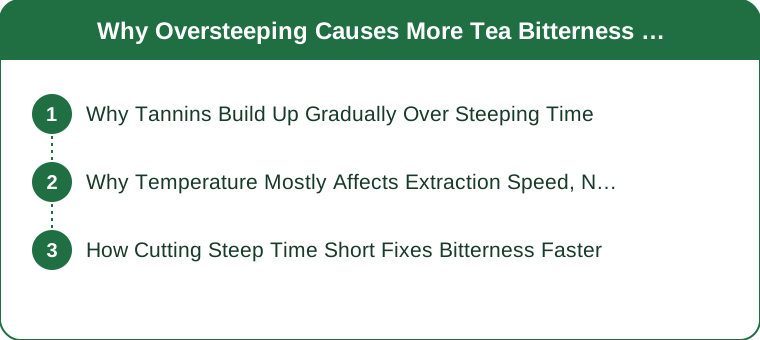
Why Tannins Build Up Gradually Over Steeping Time
The buildup: tannins-the-compounds-primarily-responsible-for-bitterness-release-gradually-and-cumulatively-the-longer-tea-leaves-remain-in-contact-with-hot-water-rather-than-releasing-instantly-on-contact (tannins, the compounds primarily responsible for bitterness, releasing gradually and cumulatively the longer tea leaves remain in direct contact with hot water, rather than releasing instantly the moment water first touches the leaves, per the tea-types-guide logic — tannins-the-compounds-primarily-responsible-for-bitterness-releasing-gradually-and-cumulatively-the-longer-tea-leaves-remain-in-contact-with-hot-water-rather-than-releasing-instantly-on-contact), and the reframe (bitterness accumulating over time, rather than being fixed at the moment water is poured)).

Why Temperature Mostly Affects Extraction Speed, Not Bitterness Directly
The distinction: water-temperature-mostly-affects-how-quickly-flavor-compounds-extract-overall-while-tannin-buildup-specifically-is-driven-far-more-by-total-contact-time-than-by-temperature-alone (water temperature mostly affecting how quickly flavor compounds extract from the leaves overall, while tannin buildup specifically is driven far more by the total amount of contact time than by temperature working alone, per the green-tea-benefits-honest-guide logic — water-temperature-mostly-affecting-how-quickly-flavor-compounds-extract-from-the-leaves-overall-while-tannin-buildup-specifically-is-driven-far-more-by-total-contact-time-than-by-temperature-alone), and the frame (temperature and time affecting the cup differently, even though both get blamed the same way)).
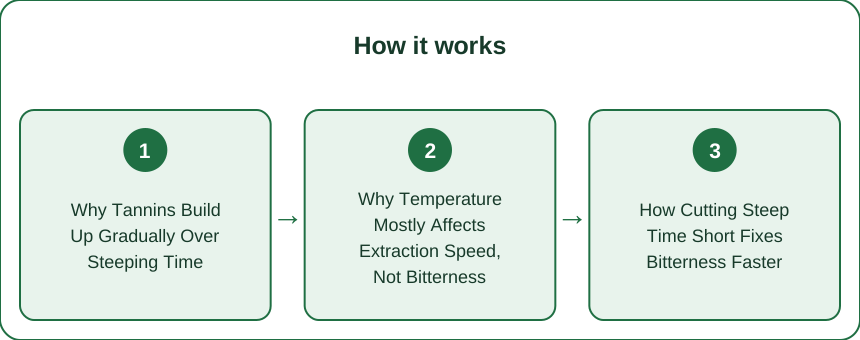
How Cutting Steep Time Short Fixes Bitterness Faster
The fix: shorten-steeping-time-by-thirty-to-sixty-seconds-before-adjusting-water-temperature-at-all-since-reducing-tannin-contact-time-addresses-bitterness-more-directly-than-a-cooler-pour-does (shortening steeping time by thirty to sixty seconds as the first adjustment, before ever changing water temperature at all, since reducing tannin contact time addresses bitterness far more directly than a cooler pour actually does, per the herbal-tea-guide logic — shortening-steeping-time-by-thirty-to-sixty-seconds-as-the-first-adjustment-before-changing-water-temperature-at-all-since-reducing-tannin-contact-time-addresses-bitterness-more-directly-than-a-cooler-pour), and the frame (adjusting the variable that actually drives bitterness, instead of the one that usually gets blamed for it).
Tannins, the compounds primarily responsible for bitterness, release gradually and cumulatively the longer tea leaves stay in contact with hot water, while water temperature mostly affects how quickly flavor compounds extract overall rather than driving tannin buildup directly. Shortening steeping time by thirty to sixty seconds before touching water temperature at all addresses bitterness more directly, adjusting the variable that actually causes it instead of the one that usually gets blamed.
Keep Reading
This article is for general informational purposes only and is not medical advice. Always consult a qualified health professional for guidance specific to you.