The Tea Storage Mistake Quietly Ruining Your Loose Leaf Before You Even Steep It
Quick Answer: Clear glass jars and proximity to a stove or sunny window are the two most common tea storage mistakes — light and heat both degrade tea’s volatile aromatic compounds fast, often within weeks. Store tea in an opaque, airtight container, away from heat sources, for noticeably better flavor retention.
You followed every steeping instruction correctly — right temperature, right time — and the tea still tastes muted compared to when you first opened the bag. Before adjusting your steeping technique further, check where and how you’re storing the leaves, because that’s very possibly the actual issue.
Why does tea storage matter as much as the steeping process?
Because tea’s flavor and aroma come largely from volatile aromatic compounds that begin degrading the moment the tea is exposed to air, light, heat, or moisture — steeping technique can only extract what’s actually still present in the leaf, and poor storage reduces that available flavor before you ever add water.
This is why two people can follow an identical steeping method with the same tea and get noticeably different results — the tea itself may already be at different stages of flavor degradation depending on how it was stored.
What are the specific storage mistakes that degrade tea fastest?
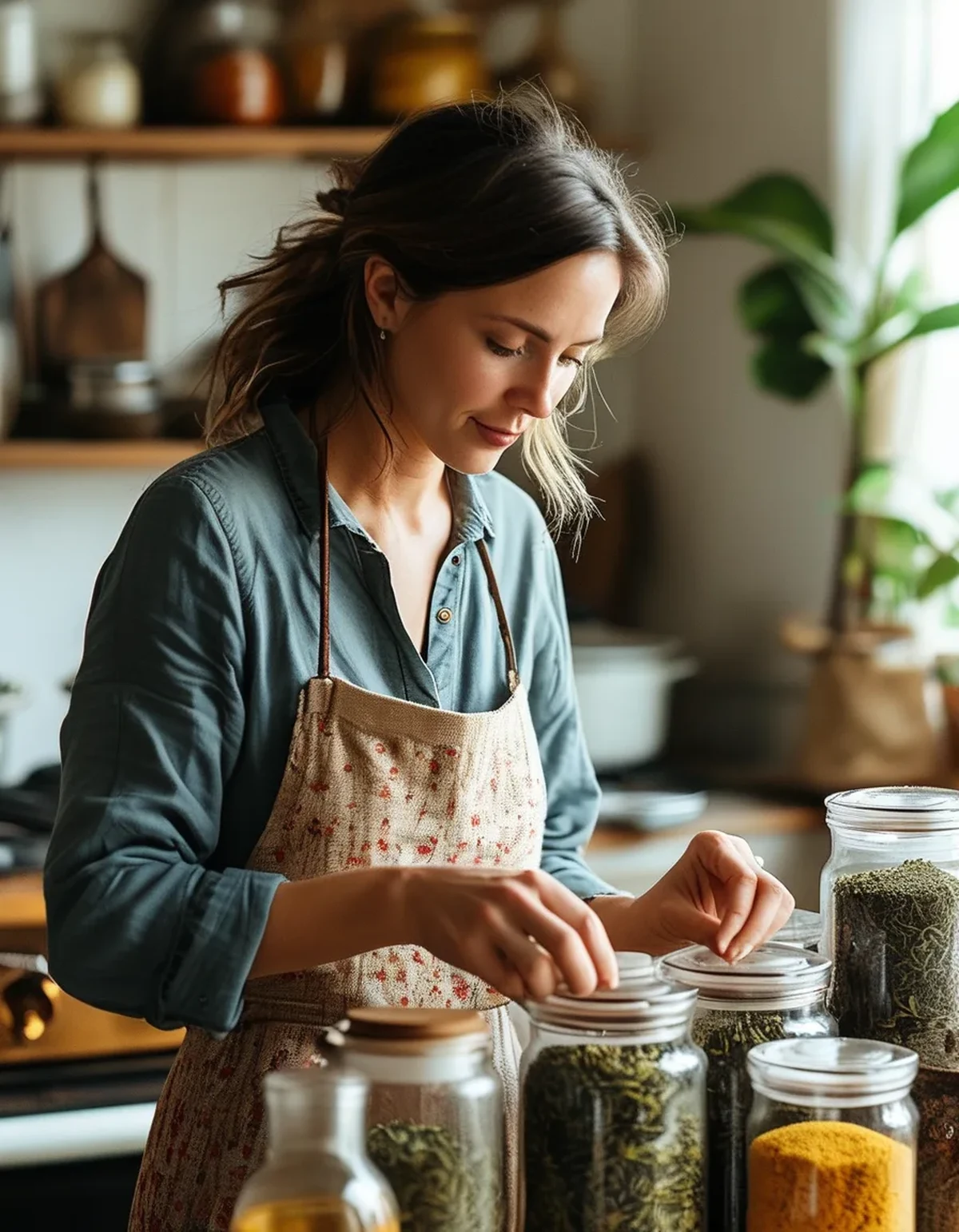
Clear glass containers left on an open counter expose tea to light continuously, which breaks down aromatic compounds steadily over time, even in a cool room. Storage near a stove, oven, or sunny window adds heat exposure on top of light, accelerating the same degradation further.
Leaving the original bag or tin open between uses lets moisture and air exposure compound with every use, gradually flattening flavor faster than sealed storage would. Each of these individually causes gradual, easy-to-miss flavor loss — combined, they add up fast.
What does correct tea storage actually look like?
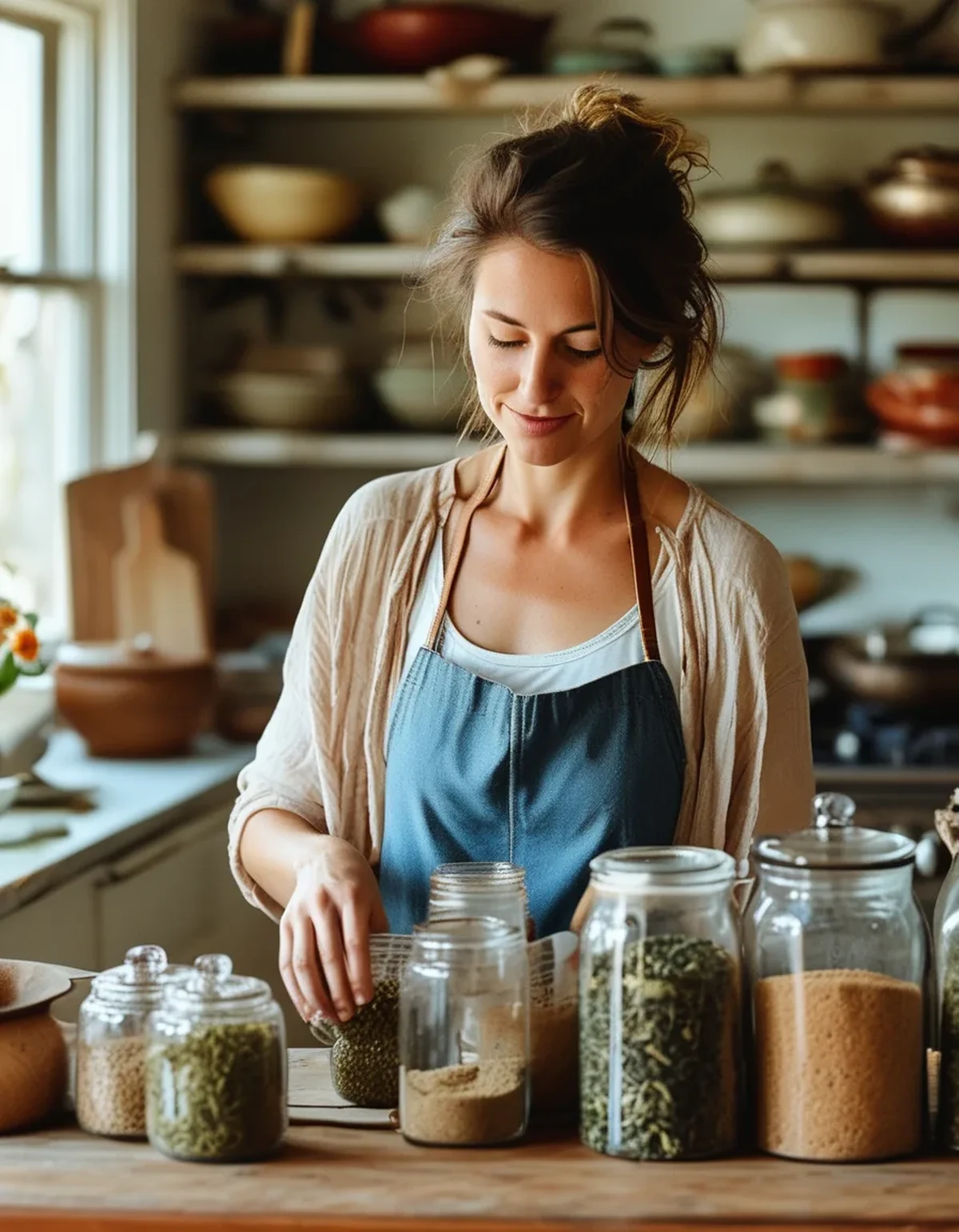
An opaque, airtight container — a tin, a ceramic canister, or a dark glass jar with a tight seal — kept in a cool, dark cabinet away from the stove, oven, dishwasher, or any direct sunlight. Avoid storing tea in the refrigerator or freezer for regular use, since the humidity and temperature swings from repeated opening can introduce moisture, which degrades tea faster than stable room-temperature storage.
Keeping different tea types in separate, sealed containers also prevents flavor transfer — a strongly aromatic tea like Earl Grey stored near a delicate green tea can noticeably affect the more subtle tea’s flavor over time.
How long does properly stored tea actually stay good?
Green and white teas, generally more delicate, are best used within about 6-12 months of purchase even with good storage, since their flavor compounds are more fragile than more oxidized teas. Black teas and pu-erh tend to hold flavor well for a year or considerably longer with proper storage, and some pu-erh styles are specifically valued for how they change with age.
A reasonable practical check: if a tea that used to have a noticeable aroma when you opened the container now smells faint or flat, that’s a reliable sign flavor has already degraded regardless of the calendar time elapsed.
FAQ: Tea Storage Questions, Answered
Is it okay to store tea in its original packaging?
Only if that packaging is opaque and reseals tightly — many retail bags aren’t fully airtight once opened, so transferring to a proper airtight container is often a real improvement.
Does freezing tea extend its shelf life?
Generally not recommended for regular-use tea, since the moisture from repeated freezer opening tends to cause more harm than the cold temperature helps, though some specialty tea storage guidance differs for very long-term bulk storage.
Can degraded tea still be used, just with different steeping?
Yes — tea that’s lost some aromatic flavor isn’t spoiled or unsafe, it simply tastes more muted; adjusting steeping time slightly longer can sometimes compensate partially, though it won’t fully restore lost aroma.
TL;DR:
- Light, heat, and air exposure degrade tea’s aromatic compounds before steeping ever happens
- Clear jars and stovetop-adjacent storage are the most common, easy-to-miss mistakes
- Store tea in an opaque, airtight container in a cool, dark cabinet
- Green and white teas degrade faster than black tea and pu-erh — use them sooner
Check your storage setup before troubleshooting your steeping technique further — it’s often the simpler, more impactful fix.
Keep Reading
This article is for general informational purposes only and is not medical advice. Always consult a qualified health professional for guidance specific to you.