Why Adding Milk to Tea Cancels Out Some of Its Health Benefits
Splashing milk into a cup of tea feels like a harmless preference, just a matter of taste with no real downside. But casein, a protein found in milk, binds to the catechins and polyphenols responsible for tea’s antioxidant benefits, forming compounds the body can’t absorb as easily, which quietly reduces the payoff of drinking tea in the first place.

Why Milk Feels Like a Neutral Addition
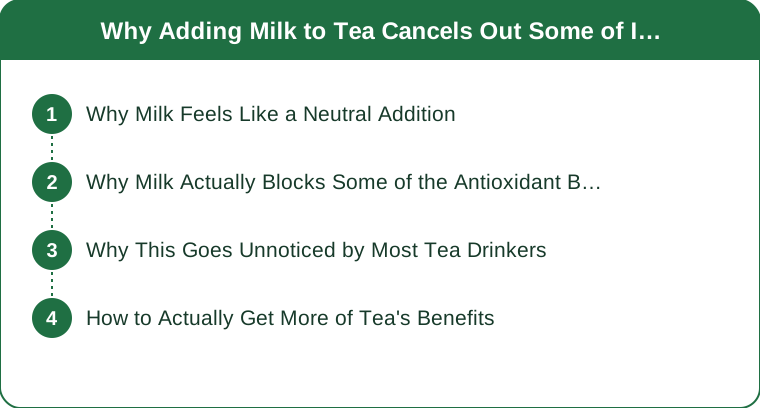
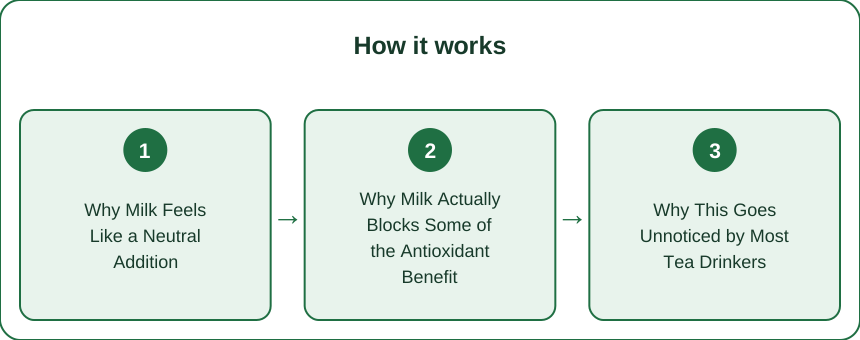
The taste-first framing: milk in tea being treated purely as a flavor and texture choice, softening bitterness and adding creaminess, with no obvious reason to think it would interact with anything happening at a chemical level.
Why Milk Actually Blocks Some of the Antioxidant Benefit
The chemistry: casein proteins in milk binding to catechins and polyphenols, the compounds responsible for tea’s antioxidant effects, forming larger complexes that are harder for the digestive system to absorb, which measurably lowers the antioxidant availability compared to black tea alone.

Why This Goes Unnoticed by Most Tea Drinkers
The invisible tradeoff: milk not changing the taste or immediate feel of a cup of tea in any way that would hint at reduced absorption, so the interaction stays invisible unless someone specifically looks at antioxidant bioavailability research.
How to Actually Get More of Tea’s Benefits
The practical adjustment: drinking tea black, or with a plant-based milk alternative, when antioxidant content is the goal, and reserving dairy milk for teas being enjoyed mainly for comfort or taste, and the frame (casein in milk binds to tea’s antioxidant compounds and blocks absorption — drinking it black is what actually preserves the benefit.)
Splashing milk into a cup of tea feels like a harmless preference, but casein, a protein found in milk, binds to the catechins and polyphenols responsible for tea’s antioxidant benefits, forming compounds the body can’t absorb as easily. Milk doesn’t change the taste or feel of the cup in any way that would hint at reduced absorption, so the interaction stays invisible to most drinkers. Drinking tea black, or with a plant-based milk alternative, when antioxidant content is the goal, and saving dairy milk for teas enjoyed mainly for comfort, is what actually preserves the benefit.
Keep Reading
This article is for general informational purposes only and is not medical advice. Always consult a qualified health professional for guidance specific to you.